At The Swaney Corporation & Crowe Construction, INC., we help both private and public agencies identify core schedule planning procedures that are essential for project completion. We use the Critical Path Method (CPM) to plan, manage, build baseline schedules, monitor progress, and control Commercial, Residential, Industrial, Educational, Health Care, and Civil Projects. Our teams maintain construction schedules by providing updates to accommodate any changes in the work in accordance with applicable contract scheduling requirements and best scheduling practices. Trust the experts who understand the critical path of your project before construction even begins.
A minor mistake in scheduling can cost thousands of dollars and result in months of delay. Our specialized CPM scheduling consultants have the expertise needed to develop solid, accurate schedules, ensuring every critical phase of your project is executed smoothly.
Avoid Common Amateur Scheduling Mistakes:
While many rely on inefficient scheduling practices and applications, we leverage the power of industry-leading project management tools.
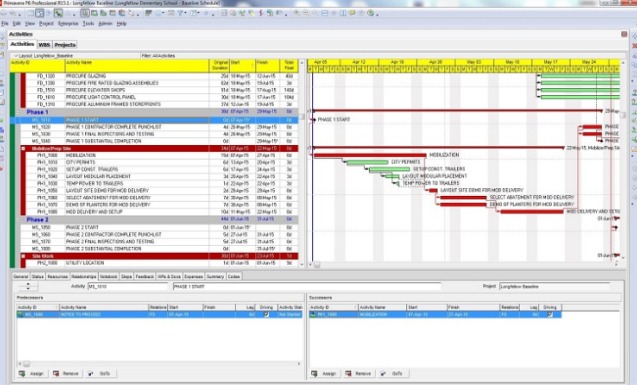
We are specialists in using state-of-the-art software like Primavera P6 Professional for Construction Project Scheduling. These tools allow us to automate schedule generation, analyze large volumes of data, and create detailed schedules faster and with less margin for error than other methods.
Our Planning Approach Includes:
An accurate CPM schedule is your best defense in the event of a dispute. If construction conflicts arise regarding scope or delays, our experts are prepared to step in.
No matter the complexity of your project, The Swaney Corporation & Crowe Construction, INC. offers specialized CPM Project Scheduling Services.
Contact us today for a free consultation and discover how we can create a precise schedule that guarantees the success of your construction project.
Here at The Swaney Corporation-Crowe Construction, we offer a range of CPM scheduling services in California. Our CPM schedule consultants have acquired a wealth of specialized knowledge that enables them to develop solid, accurate CPM project schedules. They leverage their understanding of CPM principles to perform comprehensive, in-depth CPM schedule delay analyses in California.
Depending on the nature of the project, CPM scheduling can be very complicated. If you make a CPM scheduling mistake, no matter how minor it may seem, your project may suffer a setback. Our professionals are trained experts with a scrupulous eye for detail. Their experience enables them to avoid scheduling mistakes that amateurs often make. They are aware of and follow best practices for CPM scheduling in California.
Before developing a CPM schedule, our CPM scheduling experts define the project scope and identify the critical tasks. They also identify the factors that can affect the project schedule. The information gathered during the preparation phase helps them create an accurate schedule.
Manual CPM scheduling is inefficient and fraught with difficulties. CPM scheduling experts who rely on manual methods are likely to make costly scheduling errors and may need more time to resolve issues. We use scheduling tools to automate CPM schedule generation. These tools do not rely on humans for inputs and can analyze data to create critical paths. They are less error-prone and faster than humans. These tools help our experts perform comprehensive CPM schedule analyses in California.
CPM scheduling methods and tools are evolving rapidly. A tool or method that is popular today may be irrelevant tomorrow. We keep on top of emerging technology trends. Our CPM scheduling experts are lifelong learners. They constantly upgrade their skills and knowledge and are fully equipped to face challenges in scheduling.
Construction disputes can arise if the project owner and general contractor disagree over the scope of the work to be done. Issues surrounding scheduling and project delays can be complicated. Our CPM scheduling experts help construction firms settle construction disputes amicably. Their technical expertise enables them to synthesize historical project data and trace the origins of the problem. If you and your contractor are in dispute over the scope of your project and the matter reaches court, our CPM scheduling experts can serve as expert witnesses.
The Swaney Corporation-Crowe Construction offers top-notch CPM scheduling services. No matter how complicated your project is, we can successfully work with you to create an accurate project schedule. To learn more, call our office today at 707 665 9668.
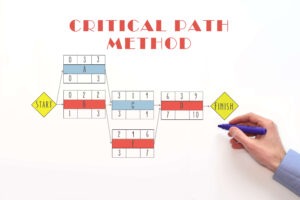
The Critical Path Method (CPM) is a project management technique used to identify the longest sequence of dependent tasks (the “critical path”) that must be completed on time for the project to meet its deadline. It is vital because a single-day delay on this path translates directly into a one-day delay in the total project completion. We use the CPM to focus on resources where they are most needed.
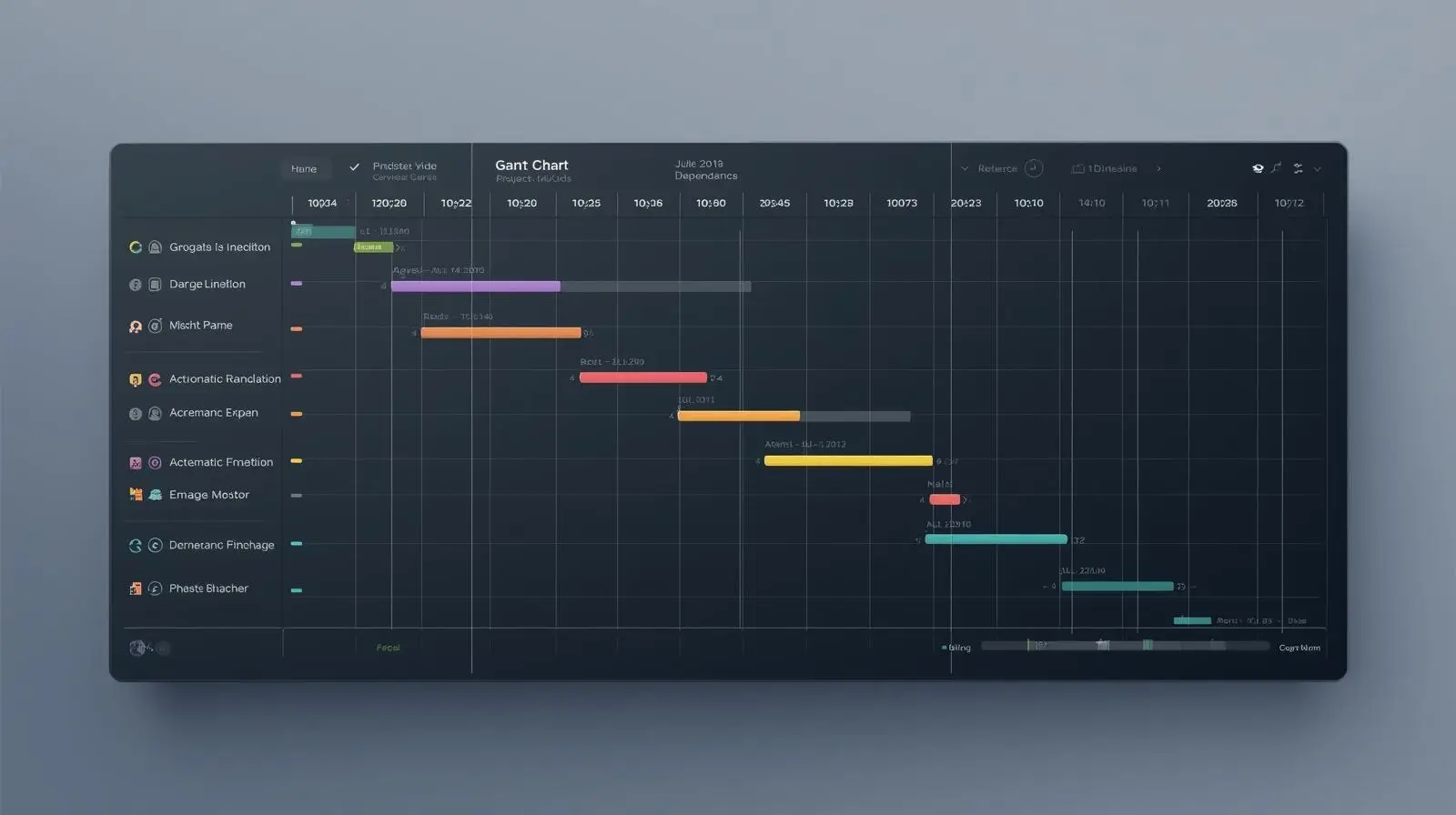
A traditional Gantt schedule is a visual tool that shows when activities will occur. A CPM schedule, conversely, is an analytical tool that defines logical dependencies and calculates the float (flexible time) for each task. CPM identifies the critical specific tasks that, if delayed, will delay the entire project, whereas a Gantt chart does not always make this distinction clear.

We guarantee accuracy in several ways:
Yes, absolutely. The CPM schedule is considered primary forensic evidence in construction disputes. When analyzing a delay that occurred in the past, our experts use the CPM to perform a Forensic Schedule Analysis (FSA). This analysis accurately determines who caused the delay, how long the delay lasted, and what impact it had on the completion date, which is essential for substantiating claims or defending your position in court.
Yes. We often intervene when a project is already in trouble. We can audit the existing schedule, identify the root causes of current delays, and update the schedule to establish a realistic path to mitigate the delay and resolve any potential disputes.